
Best investment options for retirees explained
Picture this: my Uncle Joe, a retired teacher who's spent his life grading papers and dodging dodgeballs, suddenly finds himself with a nest egg and no clue what to do with it. He's got this mix of excitement and terror about growing his savings without losing sleep over market crashes. If you're a retiree like him, or just planning ahead, you're probably nodding along right now. Today, we're diving into the best investment options for retirees, keeping things light and straightforward, like chatting over coffee about making your money work smarter, not harder.
Alright, let's cut to the chase because I know you're here for real talk on retirement investments. The best investment options for retirees are all about balance—protecting what you've got while squeezing out some growth without the rollercoaster rides. Think of it as building a comfy porch swing that sways gently, not a bungee jump. For most folks in their golden years, that means focusing on low-risk, income-generating picks that keep pace with inflation but don't gamble your grandkids' inheritance. In a nutshell, we're talking diversified portfolios with a mix of bonds, dividends, and maybe a sprinkle of stocks if you're feeling spry. This approach helps maintain your lifestyle, covering those unexpected vet bills or spontaneous cruises, all while minimizing stress.
Why Retirees Need a Different Game Plan
You know, it's funny how life flips the script once you hit retirement. Gone are the days of chasing high-flying stocks for big wins; now, it's more about steady streams to fund your birdwatching trips or book club meetings. Retirees often have a shorter time horizon, so preserving capital becomes king. Inflation's a sneaky thief, eroding your purchasing power, which is why even "safe" options need to earn their keep. From my chats with folks like Uncle Joe, the key is blending safety with a bit of growth—nothing too wild, just enough to feel secure.
Take inflation, for instance; it's like that friend who always shows up uninvited and eats all the snacks. Over the last decade, it's chewed through savings at an average of 2-3% a year in many places. So, if you're parked in a basic savings account, you're basically treading water. That's where smarter choices come in, like annuities or dividend-paying stocks, which can offer that extra cushion without the high stakes.
Common financial pitfalls in retirementTop Picks: Safe and Steady Investments
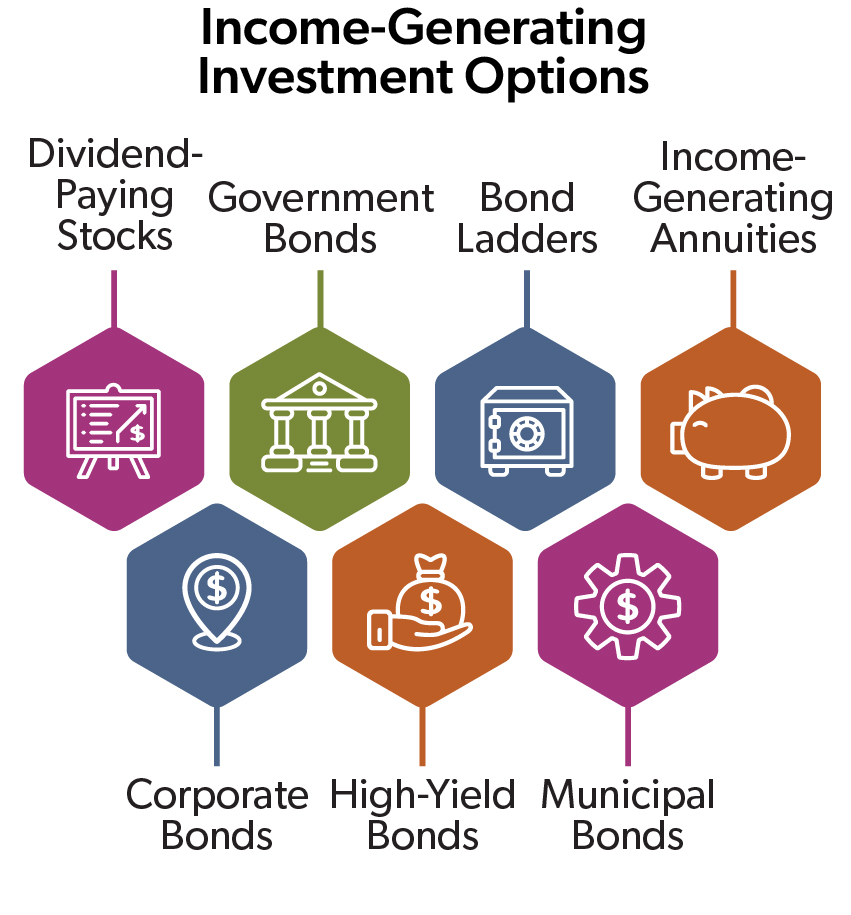
Let's break this down with some real options that won't keep you up at night. First up, government bonds—these are like the reliable old dog that just wants to nap in the sun. They pay fixed interest and are backed by the government, making them super low-risk. For retirees, Treasury bonds or municipal bonds can provide tax-free income, which is a nice perk if you're watching your tax bracket shrink along with your work hours.
Then there's the dividend aristocrats, companies that have raised their dividends for at least 25 years straight. Imagine getting a steady paycheck from stocks like Johnson & Johnson or Procter & Gamble; it's like your portfolio saying, "Hey, here's some pocket money for that fishing trip." These can offer 2-4% yields, which beat inflation in many cases, but remember, even these have a bit of market wiggle.
Don't overlook certificates of deposit (CDs) or high-yield savings accounts. They're straightforward, insured by the FDIC up to $250,000, and perfect for conservative souls. Sure, rates fluctuate with the economy—like how they've ticked up recently thanks to Fed moves—but they're a solid base for any retiree's mix.
Comparing Your Choices: A Quick Guide
To make this even easier, here's a simple table to compare these options. It's like a menu at your favorite diner—pick what suits your taste.
IRA versus 401k comparison guide| Option | Risk Level | Potential Return | Best For |
|---|---|---|---|
| Government Bonds | Low | 2-5% annually | Ultra-safe income with minimal volatility |
| Dividend Stocks | Medium | 3-6% yields plus growth | Balanced growth and income for active retirees |
| CDs or High-Yield Savings | Very Low | 1-4% depending on rates | Short-term needs and emergency funds |
As you can see, it's all about matching your comfort level. If you're like Uncle Joe, who once lost sleep over a minor stock dip, start with bonds and ease into stocks if the market's calm.
Diversifying Like a Pro Without the Stress
Now, diversification isn't just a fancy word; it's your retirement's best buddy. Think of it as not putting all your eggs in one basket—maybe one in bonds, another in a mutual fund, and a few in real estate investment trusts (REITs) for that rental income vibe. REITs are great for retirees because they often pay high dividends from property earnings, like owning a slice of an apartment complex without the landlord headaches.
One tip from the trenches: consult a financial advisor who's dealt with retirees before. They can tailor a plan, maybe even incorporating annuities that guarantee income for life—it's like having a pension redux. And hey, with tools like robo-advisors, you can get diversified portfolios for peanuts, which is perfect if you're tech-savvy but not overly so.
In a world where memes about avocado toast and millennial finances go viral, retirees have their own humor—like joking about how their investments are as exciting as reruns of old TV shows. But seriously, blending these options can turn your savings into a reliable stream, funding those quiet joys without the drama.
Affordable lifestyle ideas post-retirementFrequently Asked Questions
Q1: How much should I invest in stocks as a retiree? It depends on your risk tolerance, but a common rule is the "100 minus your age" guideline—for a 70-year-old, that means 30% in stocks. Keep it diversified to balance growth and safety.
Q2: Are annuities worth it for retirement? Absolutely, if you want guaranteed income. They're like a personal pension, protecting against outliving your money, though they can have fees, so shop around.
Q3: What's the biggest mistake retirees make with investments? Chasing high returns without considering volatility. Stick to your plan and avoid knee-jerk reactions to market news for long-term peace.
As we wrap up this chat, think about what your ideal retirement looks like—is it beach sunsets or family dinners? Whatever it is, the right investments can make it happen without the worry. So, what's your next move—maybe reviewing that portfolio over a cup of tea?
Si quieres conocer otros artículos parecidos a Best investment options for retirees explained puedes visitar la categoría Retirees.
Entradas Relacionadas