
Blending Active and Passive Methods
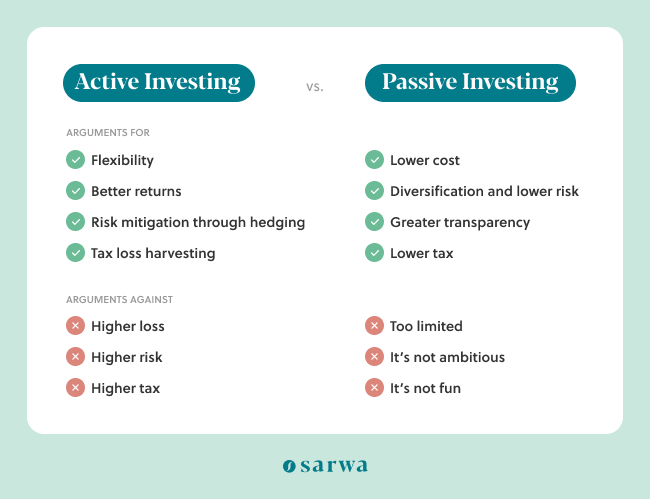
Ever had one of those lazy Sunday afternoons where you're chilling on the couch, sipping coffee, and suddenly realize that money's trickling in without you lifting a finger? That's the sweet spot of passive income for you—it's like that friend who always shows up with pizza when you're too tired to cook. But let's be real, blending in some active methods can supercharge the whole deal. I'm talking about mixing the hustle of active gigs with the chill vibes of passive streams to build something sustainable and fun. It's not just about making money; it's about crafting a life where work feels less like a chore and more like a game you're winning.
In this article, we're diving into how blending active and passive methods can transform your financial game. Picture this: you're not just waiting for passive income to roll in; you're actively steering it to grow faster. This approach answers the big question—how do you create reliable passive income streams without burning out? In about 50 words, it's about strategically combining your daily efforts with set-it-and-forget-it tactics to amplify earnings, achieve balance, and edge closer to financial freedom without the constant grind.
Let's kick things off by getting clear on what we're dealing with. Active income is that straightforward exchange—your time and energy for cash. Think freelancing, consulting, or even your 9-to-5 job. It's immediate, it's rewarding in the moment, but it stops when you do. On the flip side, passive income is the quiet achiever; it's revenue from assets you've set up once, like rental properties, dividend stocks, or an online course that keeps selling while you sleep. The beauty of blending active and passive methods lies in using your active efforts to fuel those passive engines, creating a cycle that's both exciting and effortless.
Why Active Income Keeps the Lights On
Active income might not sound as glamorous, but it's the backbone of any solid financial plan. Imagine you're an artist who sells custom paintings—that's active because you're directly involved in every sale. It's reliable for covering bills and gives you that rush of accomplishment. But if you stop painting, the money stops flowing. That's where blending comes in; you could use your active earnings from those sales to invest in stock photography or print-on-demand services, turning your art into a passive income stream. It's like planting seeds while you're harvesting—smart, right?
Psychology of Financial FreedomFrom my own corner, I once juggled a full-time job with side gigs, feeling like a hamster on a wheel. Then, I started channeling some of that active hustle into building a blog. At first, it was all active—writing posts, engaging with readers—but over time, affiliate links and ads turned it passive. Blending these methods didn't just boost my income; it made me feel more in control, like I was playing chess instead of checkers.
The Allure of Passive Income and How to Amp It Up
Passive income is that dream where your money works for you, not the other way around. Whether it's royalties from a book you've written or interest from investments, it's about creating assets that generate cash flow over time. But here's the twist—purely passive setups often need an initial active push. That's where blending shines. For instance, if you're into real estate, your active role in flipping houses could lead to passive rental income. It's not magic; it's strategy, wrapped in a bit of everyday smarts.
To make this relatable, think about memes from pop culture—like that viral TikTok where someone jokes about 'passive income' being winning the lottery. In reality, it's more like building a YouTube channel: you actively create content, but once it's up, views and ads keep paying. Blending means using active skills to scale passive opportunities, turning hobbies into revenue machines. And let's not forget the emotional perks; it's incredibly satisfying to see your efforts compound, like a snowball rolling downhill.
Blending the Best of Both Worlds for Real Results
Now, let's get into the nitty-gritty of how to blend these methods effectively. Start by assessing your skills—what active pursuits do you excel at that could lead to passive payoffs? For example, if you're a whiz at graphic design, offer services actively while developing digital products like templates that sell on autopilot. This hybrid approach not only diversifies your income but also builds resilience against economic ups and downs.
Integrating Streams into Budgets| Aspect | Active Methods | Passive Methods | Blended Benefits |
|---|---|---|---|
| Time Involvement | High (daily effort required) | Low (minimal ongoing work) | Balanced workload, freeing up time for enjoyment |
| Income Potential | Immediate but limited | Growth over time | Accelerated growth through active investments |
| Examples | Freelance writing, consulting | Rentals, stock dividends | Using freelance earnings to buy stocks |
As you can see from the table, blending isn't about choosing one over the other; it's about synergy. A friend of mine turned his active passion for cooking into a passive empire by writing a cookbook and then promoting it through live classes. The active part kept him engaged, while the book sales handled the passive side—pure genius in action.
Practical Tips to Get You Started
If you're itching to try this yourself, here's how to dip your toes in without overwhelming your routine. First, track your active income sources and identify where you can automate or scale them.
1Start small: Pick one active skill, like blogging, and invest time in setting up passive elements, such as email newsletters for affiliate marketing.
2Educate yourself: Dive into books or online courses on investments to blend your active earnings wisely.
Exploring Niche Income Possibilities3Monitor and adjust: Keep an eye on your streams and tweak as needed, turning what works into a passive income powerhouse.
This relaxed blend has helped folks like me feel less chained to the clock, opening doors to travel or hobbies. It's not overnight success; it's about that steady, enjoyable build-up.
Common Pitfalls to Avoid
One thing to watch out for is overcommitting to active work and neglecting the passive setup—it's easy to get caught in the hustle loop. Balance is key; think of it as a casual jog, not a sprint. By blending thoughtfully, you're not just chasing dollars; you're crafting a lifestyle that's genuinely fulfilling.
As we wrap up this chat, imagine looking back in a few years at the financial freedom you've built—pretty cool, huh? What if you started blending today, turning your everyday efforts into something that lasts? It's your move now; go explore those passive income opportunities with a fresh twist.
Best Passive Income Ideas for BeginnersFAQ
What is the main difference between active and passive income? Active income requires ongoing effort, like a job, while passive income comes from assets that generate money with little maintenance, such as investments. Blending them creates a more stable financial picture.
How long does it take to see results from blending methods? It varies, but with consistent active input, you might start seeing passive returns in months. The key is patience and smart choices to build those streams effectively.
Is blending suitable for everyone? Absolutely, as long as you're willing to learn and adapt. Start with what you know, and it can lead to greater financial security without overwhelming your daily life.
Si quieres conocer otros artículos parecidos a Blending Active and Passive Methods puedes visitar la categoría Secondary.
Entradas Relacionadas