
Emergency fund building for seniors
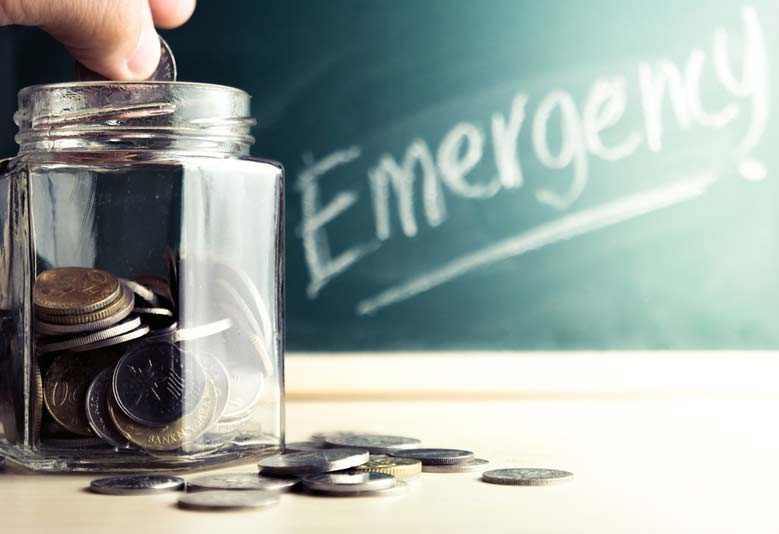
Picture this: You're finally settled into that cozy retirement you've dreamed of for years, sipping coffee on the porch with nowhere urgent to be. But then—bam!—the water heater decides it's had enough, or the car throws a tantrum right when you need it most. That's life, isn't it? For us seniors, these surprises can hit harder, which is why building an emergency fund feels less like a chore and more like a wise, comforting hug for your future self. Let's chat about this in a relaxed way, drawing from real stories and simple strategies that make financial security feel achievable, not overwhelming.
Building an emergency fund for seniors starts with understanding it's your personal safety net, tailored to the golden years. Aim for 3 to 6 months of essential expenses tucked away—think groceries, utilities, and meds—stashed in a high-yield savings account that earns a little interest without the rollercoaster of stocks. This isn't about hoarding; it's about peace of mind, especially when fixed incomes from pensions or Social Security might not stretch as far as they used to. In essence, it's your buffer against life's plot twists, ensuring one unexpected bill doesn't derail your retirement dreams.
The Real Deal on Why Emergency Funds Matter for Retirees
Okay, let's get real for a moment. I once knew a neighbor, let's call him Frank, who thought he was set after decades of hard work. But when his wife needed sudden medical care, they scrambled to cover costs without touching their nest egg. It's stories like these that hit home—showing how an emergency fund isn't just smart; it's essential for seniors navigating the quirks of retirement economics. Without it, you might lean on credit cards or dip into investments, potentially losing out on growth or racking up debt that lingers longer than you'd like.
This ties into broader retirement finance principles, where emergency savings for retirees act as a shield against inflation's sneaky bites or rising healthcare needs. Experts often point out that folks over 65 face unique risks, like fixed incomes that don't always keep pace with costs. By prioritizing this fund, you're not just preparing for the worst; you're embracing a relaxed lifestyle where money worries fade into the background. Think of it as that extra blanket on a chilly night—simple, effective, and oh-so-reassuring.
Comparative analysis of annuity plansStep-by-Step: Crafting Your Emergency Fund the Easy Way
Building this fund doesn't have to feel like climbing a mountain. Let's break it down with a light touch, using steps that fit into your daily routine. First off:
1Take stock of your monthly essentials. Jot down what you really need—food, housing, healthcare—without the extras. This gives you a clear target, say $1,000 to $3,000 a month, depending on your situation. It's like mapping a familiar walk in your neighborhood, straightforward and personal.
2Set a realistic goal and timeline. Maybe aim for $5,000 over six months by stashing away $800 a month. Use windfalls like tax refunds or gifts to boost it faster—it's amazing how those little wins add up, turning abstract numbers into tangible security.
3Choose the right spot for your savings. For seniors, low-risk options like high-yield savings accounts or money market funds are gold, offering easy access and modest growth. Avoid tying it up in CDs if you might need it pronto; flexibility is key in retirement planning.
Income diversification tactics in retirementAnd here's a fun twist: Ever notice how memes about "adulting" hit different in our age? It's like that viral one where a cat hoards yarn—hilarious, but it reminds us to gather our resources playfully. In retirement economics, this means automating transfers from your checking account, so building your fund feels effortless, almost like second nature.
Comparing Your Options: Savings vs. Investments for Seniors
To make things clearer, let's compare a couple of common choices in a simple table. This isn't about overwhelming you with options; it's just a relaxed guide to see what might fit your style.
| Option | Pros | Cons | Best For |
|---|---|---|---|
| High-Yield Savings Account | Easy access, low risk, earns interest | Lower returns than stocks | Seniors needing quick cash |
| Money Market Funds | Slightly higher yields, stable | Potential for minimal fluctuations | Retirees with moderate risk tolerance |
As you can see, for emergency fund strategies for older adults, sticking to safer bets keeps things steady, unlike riskier investments that might suit younger folks. It's all about aligning with your retirement phase, where preserving what you have trumps chasing big gains.
Pitfalls to Sidestep in Your Golden Years' Savings Game
Now, let's keep it real with some common slip-ups. One big one? Underestimating healthcare costs, which can gobble up your budget faster than you think. Or, getting lured by high-interest debts that eat into your savings potential. In the world of retirement finance, it's like avoiding that tempting sale at the store—you save more by saying no. By staying mindful, you ensure your emergency fund grows without hiccups, blending practicality with that easygoing vibe.
Avoiding tax traps for retireesFAQs: Quick Answers for Peace of Mind
How much should a senior aim for in an emergency fund? Generally, 3-6 months of living expenses is a solid target, but adjust based on your health, location, and lifestyle. For example, if you have family nearby for support, you might need less.
Is it too late to start building one in retirement? Absolutely not! Even small contributions add up. Start with what you can, like $50 a month, and let compound interest work its magic over time.
What's the best way to grow it without risk? Focus on FDIC-insured accounts for safety. They're boring in the best way, ensuring your money is protected while earning a bit extra.
As we wrap up this chat, think about how your emergency fund could be the unsung hero of your retirement story—what small step will you take today to make tomorrow a little brighter? It's not just about money; it's about crafting a legacy of smart, serene living.
Smart downsizing decisions for savingsSi quieres conocer otros artículos parecidos a Emergency fund building for seniors puedes visitar la categoría Retirees.
Entradas Relacionadas