
ESG factors in stock investing
Ever had that moment when you're scrolling through your investment app, eyeing up the next big stock, and suddenly you think, "Wait, is this company actually doing good for the planet?" Yeah, that's where ESG factors sneak in, turning stock investing from just a numbers game into something a bit more soulful. I'm no Wall Street wizard, but as someone who's dabbled in the stock market myself, I've seen how these Environmental, Social, and Governance elements can make or break your portfolio. Let's chat about it casually, like we're grabbing coffee and talking shop.
Picture this: a few years back, I was all in on a trendy tech stock, thinking it was the golden ticket. But then I read up on their environmental track record—turns out, they were chugging along with outdated practices that weren't exactly eco-friendly. ESG factors in stock investing aren't just buzzwords; they're like the conscience of your portfolio. They help you weigh how a company's environmental impact, social responsibilities, and governance practices could affect its long-term value. In a nutshell, if you're investing in stocks, ignoring ESG is like ignoring the weather before a road trip—it might not wreck you immediately, but surprises are bound to pop up.
Why ESG Matters in the World of Stocks
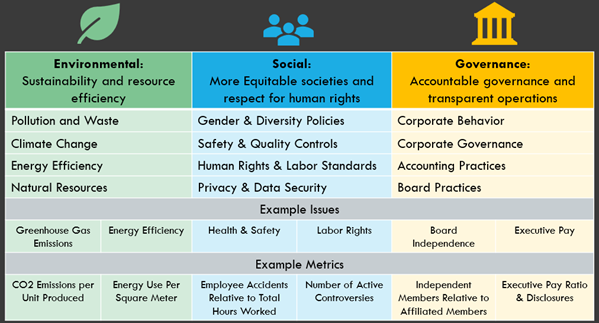
Okay, let's break it down without getting too textbook-y. ESG stands for Environmental, Social, and Governance, and it's basically a framework that lets you peek behind the curtain of a company. For environmental factors, we're talking about stuff like carbon footprints, waste management, and how they're tackling climate change. Social aspects cover labor practices, community involvement, and diversity—think fair wages and inclusive policies. Governance is all about the nuts and bolts, like executive pay, board diversity, and anti-corruption measures.
In stock investing, these factors can be game-changers. ESG investing in stocks has surged because savvy investors realize that companies with strong ESG scores often weather storms better. Remember that meme about sustainable brands winning in the long run? It's not just funny—it's backed by data. A study from Morningstar showed that ESG-focused funds have outperformed traditional ones in volatile markets. So, if you're playing the stock game, weaving in ESG isn't about being a tree-hugger; it's smart strategy, like choosing a car with good mileage to save on gas over time.
Robo-advisors for stock portfoliosHere's a quick table to compare traditional stock picks versus ESG-conscious ones, just to make it real:
| Aspect | Traditional Investing | ESG-Informed Investing |
|---|---|---|
| Risk Assessment | Focuses on financials and market trends | Includes environmental risks, like regulatory fines for pollution |
| Return Potential | Short-term gains from high-growth stocks | Long-term stability from companies with ethical practices |
| Personal Satisfaction | Pure profit chase | Feels good knowing you're supporting positive change |
Directly addressing the heart of it: How do ESG factors influence stock investing decisions? Well, in about 50 words, ESG helps investors like you spot companies that are built to last by prioritizing sustainability and ethics, potentially boosting returns while minimizing risks from scandals or environmental backlash. It's like adding a filter to your stock picks that says, "Show me the good ones."
Spotting ESG Opportunities in Your Stock Portfolio
Now, if you're knee-deep in stock investing, how do you actually spot these ESG gems? Start with tools like ESG ratings from firms like MSCI or Sustainalytics—they're like Yelp reviews for companies. For instance, I once swapped out a fossil fuel-heavy stock for a renewable energy one after checking its ESG score, and honestly, it felt like upgrading from fast food to a home-cooked meal.
Culturally, this ties into that whole "woke investing" trend on social media, where folks share stories of ditching stocks from companies with shady practices. It's reminiscent of how millennials turned boycotts into movements, like the backlash against fast fashion brands. In stocks, that means looking at social factors—does the company treat its workers right? Or governance— is there transparency in their operations? Mixing this into your strategy adds variety, keeping your investments as dynamic as your playlist.
Community forums for stock market enthusiastsThe Upsides and Downsides of Going ESG in Stocks
Let's keep it real: ESG isn't a magic bullet. On the upside, it can lead to better risk management and even higher returns, as seen in funds tracking ESG indices. But there are downsides, like higher costs for ESG-focused funds or the challenge of greenwashing, where companies fake their eco-credentials. I remember laughing at a viral TikTok exposing a "green" company that was anything but—it's a reminder to dig deeper.
In a relaxed vibe, think of ESG as that friend who points out the potholes on your road trip. It might slow you down initially, but it saves you from bigger headaches. For stock investing, this means diversifying with ESG stocks could protect your portfolio from regulatory shifts or public opinion swings, making your financial journey smoother and more aligned with your values.
Wrapping Up with a Thought on Your Next Move
As we ease out of this chat, imagine standing at the crossroads of profit and purpose— what path are you choosing in your stock investing adventure? Whether it's diving into ESG for the thrill of ethical gains or just to sleep better at night, it's your call. Hey, why not check out an ESG screener today and see how it jazzes up your picks? It's like adding spice to a bland dish—suddenly, everything tastes better.
FAQ: Quick Hits on ESG and Stocks
What exactly are ESG factors? ESG factors are criteria evaluating a company's environmental impact, social responsibility, and governance practices, helping investors assess long-term sustainability in stock investing.
Best strategies for stock market investingHow can beginners incorporate ESG into stock portfolios? Start by using free ESG rating tools, research company reports, and consider ESG ETFs to ease into it without overcomplicating your strategy.
Does ESG always lead to higher returns in stocks? Not guaranteed, but evidence suggests it can reduce risks and improve performance over time, though it depends on market conditions and your choices.
Si quieres conocer otros artículos parecidos a ESG factors in stock investing puedes visitar la categoría Trading.
Entradas Relacionadas