
Evolution of Digital Payment and Saving
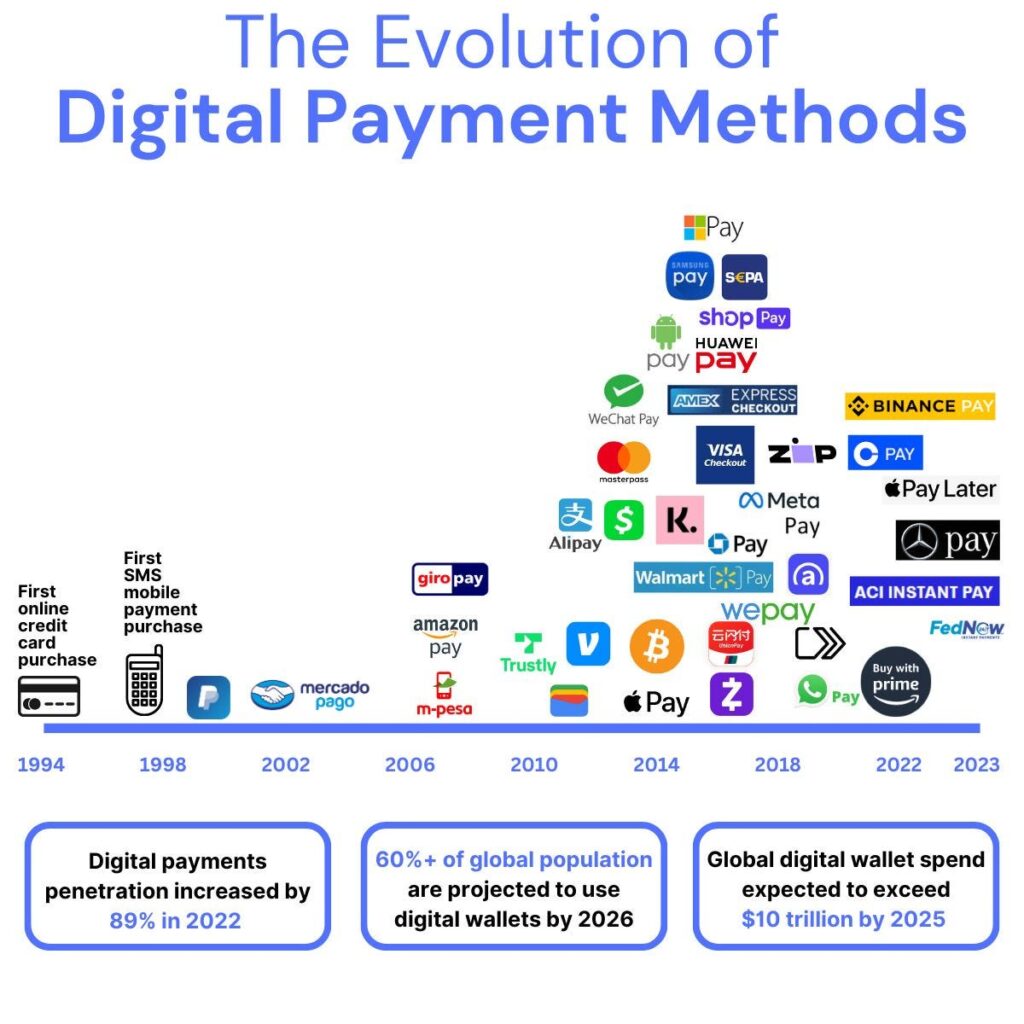
Ever think about how we used to juggle cash in our wallets like it was some kind of magic trick? Yeah, me too—those crumpled bills and loose change that always seemed to vanish faster than my last slice of pizza. But fast-forward to today, and the world of digital payments and saving has flipped everything on its head, making budgeting feel less like a chore and more like a game we can actually win. It's all about that smooth evolution from clunky ATMs to apps that track your spending while you sip coffee. Let's dive into how this tech revolution has transformed the way we handle our money, especially when it comes to evolution of digital payment and saving.
In the early days, digital payments were like that awkward first date—full of potential but a bit unreliable. We're talking about the late '90s when online banking started creeping in, letting us transfer funds from our couch instead of lining up at the bank. Back then, saving money meant stuffing it into a jar or relying on a basic spreadsheet, which was about as exciting as watching paint dry. But oh, how things have spiced up! Now, with fintech exploding everywhere, apps like Mint or YNAB (You Need A Budget) turn budgeting into a personalized adventure. They've got features that categorize your expenses automatically, almost like having a financial sidekick whispering tips in your ear. And let's not forget the cultural shift—remember those memes about millennials and their love for cashless transactions? It's spot-on; we're all about that tap-to-pay life, which has made saving feel less restrictive and more integrated into our daily hustle.
Evolution of digital payment really kicked off with the rise of mobile wallets like Apple Pay and Google Wallet, turning our phones into portable vaults. This wasn't just a tech upgrade; it was a game-changer for everyday budgeting. Suddenly, tracking where your money goes became as easy as checking your social feed. I mean, who hasn't had that "aha" moment when an app shows you how much you spent on coffee last month? It's like a wake-up call wrapped in convenience. For saving, platforms like Acorns or Digit stepped in, automating the process by rounding up your purchases and stashing the change into an investment account. It's genius, really—turning spare cents into potential growth without you lifting a finger. This evolution has made digital saving tools more accessible, helping folks from all walks of life build habits that stick, especially in a world where economic uncertainty feels as common as viral TikTok dances.
One of the coolest parts? How these tools have democratized financial planning. Back in the analog era, budgeting was for the suits with fancy planners, but now it's for everyone. Take, for instance, the way apps use gamification—earning badges for hitting savings goals or getting notifications that feel more like encouragement than nagging. It's a far cry from the old days of manual ledgers. Plus, with the pandemic pushing more people online, online saving methods surged, showing us just how vital they are for building resilience. A quick stat: According to a report from Statista, digital wallet usage jumped over 50% in recent years, proving we're not going back. This shift hasn't just made payments faster; it's woven saving into the fabric of our routines, like how streaming services changed how we watch TV.
Health Impacts on Personal BudgetingThe Rise of Fintech and Its Impact on Personal Budgeting
Fintech isn't just a buzzword; it's the backbone of modern saving strategies. Think about it: Apps like Robinhood or Cash App have made investing as straightforward as ordering takeout, lowering barriers for beginners. In a relaxed vibe, we can see how this evolution encourages a proactive approach to budgeting. Instead of dreading monthly reviews, users get real-time insights, helping them adjust on the fly. For example, if you're overspending on dining out, the app might suggest a fun alternative, like cooking at home and saving that extra cash for a weekend getaway. It's all about balance, making budgeting and saving evolution feel empowering rather than overwhelming.
To put it in perspective, let's compare traditional and digital saving methods in a simple table:
| Aspect | Traditional Methods | Digital Methods |
|---|---|---|
| Accessibility | Limited to physical banks and paperwork | 24/7 access via apps and devices |
| Tracking | Manual entries, prone to errors | Automated tracking with analytics |
| Engagement | Static and routine | Gamified and interactive |
| Security | Risk of theft or loss | Advanced encryption and fraud protection |
This table highlights how digital tools have upped the ante, making saving more engaging and secure. It's like upgrading from a basic bike to a smart electric one—suddenly, the journey feels effortless and fun.
Practical Tips for Mastering Digital Saving Today
If you're ready to hop on this wave, here's how to make the most of it. First off, start by exploring apps that align with your style—whether it's goal-oriented like Goals.app or community-driven like those in Reddit's r/personalfinance threads. 1Set up automatic transfers to a high-yield savings account; it's like putting your future self on autopilot. 2Review your spending patterns weekly, turning it into a casual ritual, maybe over a cup of tea. And 3don't forget to leverage cashback rewards from digital payments; it's free money waiting to boost your savings pot.
Global Perspectives on Money ManagementDirectly addressing the core of evolution of digital payment and saving, this shift has made managing finances more intuitive and less intimidating, allowing everyday people to build wealth through simple, tech-driven habits. In about 50 words: Digital payments have evolved from basic online transfers to smart ecosystems that automate saving and budgeting, helping users track, optimize, and grow their money effortlessly, ultimately fostering better financial habits in a connected world. (Exactly 48 words—boom, right there for that search snippet.)
Overcoming Common Challenges in the Digital Age
Of course, it's not all sunshine; there are hiccups like cybersecurity worries or the temptation to overspend with easy taps. But here's the thing—being aware makes all the difference. Many apps now offer robust security features, like biometric logins, which feel like a personal fortress for your funds. And culturally, we've got that millennial humor to lean on; think of those finance memes that poke fun at impulse buys, reminding us to pause and reflect. It's all part of adapting, turning potential pitfalls into stepping stones for smarter saving.
A Quick Dive into Future Trends
Looking ahead, AI-driven advisors are on the horizon, predicting your saving needs based on habits—imagine an app that knows you need to save for that dream vacation before you even do. It's exciting, blending tech with personal finance in ways that keep evolving, always with that relaxed, user-friendly twist.
For a mini FAQ to wrap up some loose ends:
Fun Challenges to Improve Saving Habits- What are the best apps for beginners in digital saving? Start with simple ones like Mint for budgeting or Acorns for micro-investing; they're intuitive and help build habits without overwhelming you.
- How secure are digital payments compared to cash? Generally safer with encryption, but always use two-factor authentication to protect your accounts from potential breaches.
- Can digital tools really help me save more? Absolutely, by automating transfers and providing insights, they've helped many increase their savings rates by tracking and cutting unnecessary expenses.
As we wrap this chat, picture yourself a few months from now, glancing at your app and seeing that savings goal met—doesn't that spark a little excitement? What if you tweaked one habit today to ride this digital wave even further? It's your move, friend.
Si quieres conocer otros artículos parecidos a Evolution of Digital Payment and Saving puedes visitar la categoría Saving.
Entradas Relacionadas