
High-frequency trading explained
Ever caught yourself staring at a stock ticker, watching numbers flicker like fireflies on a summer night, and wondered how some folks make lightning-fast trades that seem almost magical? That's the world of high-frequency trading, or HFT, a high-octane corner of stock market investment where speed is king and algorithms do the dancing. I'm no wizard, but let's unpack this together in a laid-back way, like chatting over coffee about the markets' wild side.
Boldly put, high-frequency trading is all about executing a massive number of orders in fractions of a second, using powerful computers and complex algorithms to spot and seize opportunities in the stock market before anyone else can blink. It's like having a supercharged robot trader that reacts to market changes faster than your morning caffeine kick—in essence, HFT leverages technology to buy and sell stocks at warp speed, often holding positions for mere microseconds. This approach, central to modern investment strategies, can generate profits through tiny price differences, but it demands cutting-edge tech and deep pockets. (That's about 52 words, straight to the heart of what HFT is and why it matters in stock market investing.)
The Basics of High-Frequency Trading in Stock Markets
Picture this: you're at a flea market, but instead of haggling over trinkets, traders are zipping around with jetpacks, snatching up deals before the crowd even notices. That's a rough analogy for HFT in the stock market. High-frequency trading relies on sophisticated software that analyzes vast amounts of data—think real-time stock prices, news feeds, and even social media buzz—to make split-second decisions. Unlike traditional investing, where you might hold a stock for months or years, HFT players are in and out in the blink of an eye, exploiting algorithmic trading to maximize efficiency.
What's really cool, or maybe a bit unnerving, is how HFT has evolved from niche tactics to a powerhouse in global finance. Back in the early 2000s, when I first dipped my toes into stock market waters, trading was mostly about phone calls and gut feelings. Now, with advancements in computing power, high-frequency trading strategies dominate, accounting for over half of all U.S. equity trades. It's like the markets got an upgrade to hyperspeed, but that doesn't mean it's without its quirks—more on that later.
Penny stocks investment risksHow HFT Actually Works: A Quick Dive into the Tech
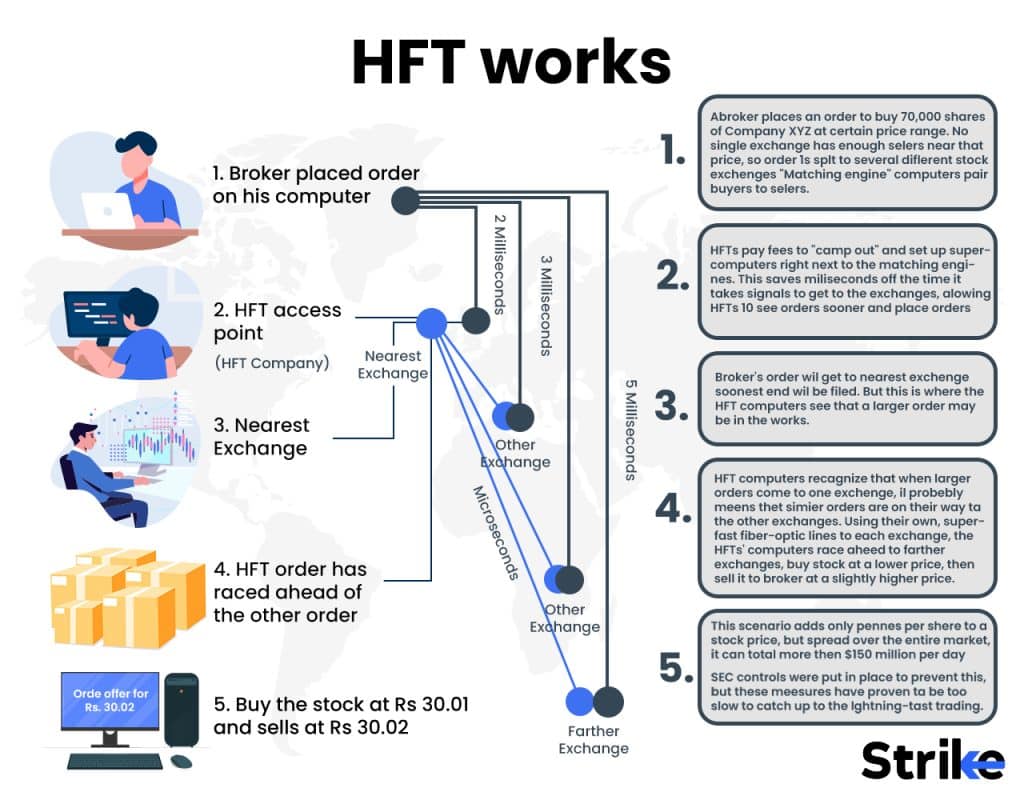
Let's break it down without getting too geeky. At its core, high-frequency trading in stock market investment uses algorithms—basically, sets of rules programmed into computers—to scan for patterns and execute trades automatically. These systems might detect that a stock is undervalued by a fraction of a cent and snap it up, only to sell it moments later when the price ticks up. It's all about speed and precision, with firms investing in co-location services, where their servers sit right next to exchange servers to cut down on latency.
I remember reading about a famous HFT firm that made headlines for their "predatory" algorithms—sounds like something out of a sci-fi flick, right? In reality, it's more about math than malice. For instance, arbitrage strategies in HFT exploit price differences across exchanges, buying low in one place and selling high in another almost simultaneously. This not only keeps markets efficient but also highlights how algorithmic trading has become a staple for serious investors looking to edge out the competition.
The Upsides and Downsides: Weighing HFT's Role in Investing
On the plus side, HFT can make the stock market more liquid and efficient, providing better prices for everyday investors like you and me. Imagine trying to sell a stock with no buyers around—HFT steps in as that ever-present bidder, keeping things flowing. But, and here's where it gets real, there are risks. Flash crashes, like the one in 2010 that wiped out a trillion dollars in minutes, show how high-frequency trading risks can amplify market volatility. It's like having a high-rev engine in your car; it goes fast, but one wrong move and you're in the ditch.
To put this in perspective, let's compare traditional trading with HFT in a simple table:
ESG factors in stock investing| Aspect | Traditional Trading | High-Frequency Trading |
|---|---|---|
| Speed | Minutes to days | Microseconds |
| Tools Needed | Basic brokerage account | Advanced algorithms and servers |
| Market Impact | Minimal, steady | High, can cause rapid fluctuations |
| Accessibility | Open to all investors | Limited to well-funded firms |
This comparison underscores how HFT isn't just a tool; it's a game-changer in stock market investment, offering speed at the cost of complexity.
Real-World Examples and Cultural Tidbits
Take the rise of meme stocks, like GameStop a few years back—that chaos was partly fueled by retail traders clashing with HFT algorithms. It's almost like a digital David vs. Goliath, where everyday folks on Reddit try to outmaneuver the bots. In pop culture, shows like "Billions" dramatize HFT with high-stakes drama, but in real life, it's more about quiet code rooms than boardroom battles. These stories remind us that stock market investment through HFT isn't just numbers; it's woven into our cultural fabric, influencing how we think about money and tech.
Wrapping up this chat, have you ever pondered what the future holds for trading? Maybe HFT will evolve with AI to predict markets even better, or perhaps regulations will tame its wild side. Either way, it's a fascinating slice of the investment world that keeps things exciting. Dive deeper if you're curious—your portfolio might thank you.
FAQ: Quick Answers on High-Frequency Trading
Q1: Is high-frequency trading legal? Absolutely, as long as it follows regulations like those from the SEC. It's a legitimate strategy, but firms must ensure fair play to avoid market manipulation.
Robo-advisors for stock portfoliosQ2: Can individual investors use HFT? Not really—HFT requires massive infrastructure that only big players can afford. But you can benefit indirectly through funds that employ similar tech.
Q3: Does HFT affect stock prices? Yes, it can lead to more efficient pricing but also increase short-term volatility, so keep an eye on market trends if you're investing.
Si quieres conocer otros artículos parecidos a High-frequency trading explained puedes visitar la categoría Trading.
Entradas Relacionadas