
Hobby-based income generation ideas
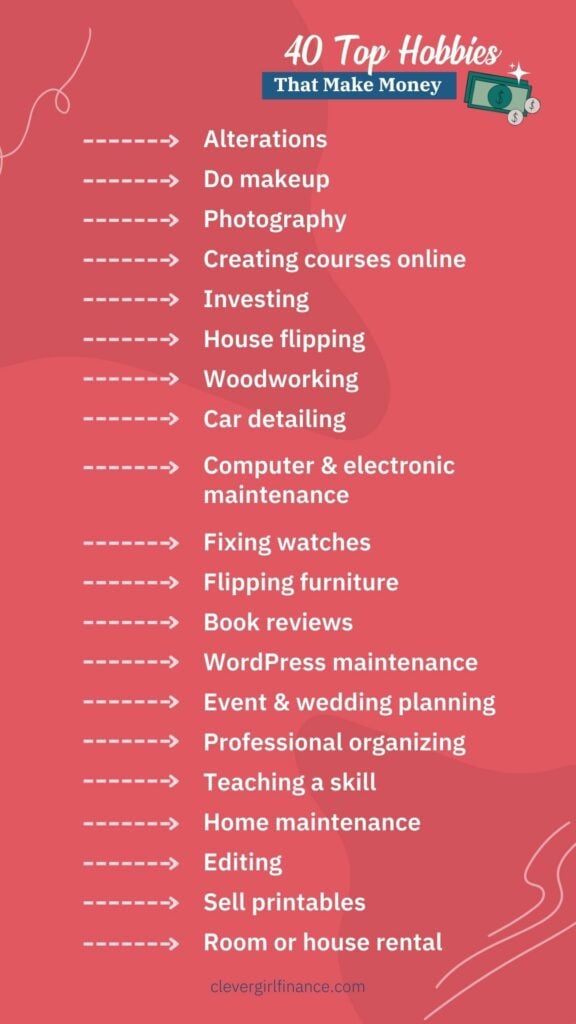
Ever thought about turning that dusty old hobby into a little extra pocket money during your golden years? I remember my grandfather, a retired engineer, who started tinkering with birdhouses in his backyard. What began as a way to pass the time ended up with neighbors lining up to buy his creations—proving that hobbies can be more than just fun; they can be a smart boost to your retirement funds. It's all about that relaxed vibe, where earning feels effortless and enjoyable.
In the world of retirement economics, hobbies aren't just pastimes; they're potential goldmines for generating income without the stress of a full-time job. If you're a retiree looking to pad your pension or simply stay engaged, exploring hobby-based income ideas can add a spark to your daily routine. These activities keep your mind sharp, your wallet a bit fuller, and your spirits high. Let's dive into why this approach works so well for folks in their later years, blending creativity with financial savvy in a way that feels as easy as a Sunday afternoon chat.
One key reason hobby-based income shines in retirement is its flexibility. Unlike rigid 9-to-5 gigs, these pursuits let you set your own pace, perfect for when energy levels vary. Hobby-based income for retirees often involves low startup costs and can be done from home, minimizing the physical demands that might worry older adults. Plus, it's a natural way to combat isolation, connecting you with communities online or locally—think selling handmade soaps at a farmers' market and chatting with eager buyers.
Why Hobbies Make Sense for Retirement Economics
Picture your favorite pastime evolving into a steady stream of earnings; it's like discovering a hidden talent that pays off. For many retirees, traditional jobs feel out of reach due to health or simply the desire for leisure. That's where income ideas for seniors rooted in hobbies come in, offering a bridge between enjoyment and necessity. According to a AARP survey, about 40% of retirees are interested in side hustles that align with their interests, highlighting a growing trend in the retirement economy.
Assisted living cost comparisonsFrom a financial standpoint, hobbies can supplement Social Security or pension without derailing your relaxed lifestyle. Take crafting, for instance—it's not just therapeutic; items like knitted scarves or custom jewelry can fetch a pretty penny on platforms like Etsy. The beauty lies in the low barrier to entry: you might already have the skills and materials, turning what was once a leisure activity into a modest revenue stream. This approach fosters a sense of accomplishment, proving that age is just a number when it comes to economic empowerment.
Top Hobby-Based Income Ideas Tailored for Retirees
If you're pondering where to start, let's explore some laid-back options that fit the retirement rhythm. Whether you're green-thumbed or a whiz with words, there's something here to match your passions. These ideas aren't about grueling work; they're about channeling your expertise into enjoyable ventures that add a few extra dollars to your budget.
Gardening and Homegrown Goods
Nothing says relaxed living like getting your hands dirty in the garden. For retirees with a plot of land, growing vegetables, herbs, or flowers can lead to sales at local markets or online. My neighbor, a spry 75-year-old, turned her organic basil into a hit product, selling pesto kits that brought in hundreds monthly. It's a gentle activity that promotes health while generating hobby-based income. Start small: plant what you love, harvest the excess, and share with friends or sell via community apps.
Crafts and Handmade Creations
Do you have a knack for knitting, painting, or woodworking? These skills can translate into profitable items without much hassle. Retirees often find joy in creating personalized gifts that appeal to buyers seeking unique, heartfelt products. Imagine crafting wooden bird feeders that sell for $20 each on eBay—it's fulfilling and fits neatly into your schedule. To maximize earnings, join online marketplaces or local craft fairs, where the social aspect adds to the fun.
Philanthropy and estate tax strategies.Comparing Popular Hobby Income Streams
To help you decide, here's a quick comparison of a few hobby ideas, focusing on ease, potential earnings, and retiree-friendly factors. This table breaks it down simply, so you can see at a glance what's worth pursuing.
| Hobby | Ease of Starting | Potential Monthly Income | Retiree Benefits |
|---|---|---|---|
| Gardening | Moderate (needs space and supplies) | $200–$500 (selling produce) | Promotes physical activity and outdoor time |
| Crafts (e.g., knitting) | Easy (uses existing skills) | $100–$400 (online sales) | Flexible indoor work, creative outlet |
| Writing or Blogging | Low (just a computer and ideas) | $150–$600 (freelance or ads) | Shares wisdom and keeps mind active |
If you're seeking ways to generate income through hobbies in retirement, start by evaluating what you enjoy most and how it can reach an audience—many retirees earn $100 to $500 monthly by leveraging platforms like Facebook Marketplace or local events, all while maintaining a balanced, stress-free lifestyle. This hands-on approach not only boosts your finances but also enriches your days with purpose and community.
Overcoming Common Challenges in Retirement Ventures
Of course, not every hobby turns into a cash cow overnight, but that's the charm of a relaxed pursuit—it evolves at your speed. Some retirees worry about tech savvy, like setting up an online store, but with a little help from family or free tutorials, it's manageable. Remember, it's okay to start small and scale up; perhaps begin by selling to friends and expand from there. This mindset keeps things light-hearted, turning potential hurdles into shared stories over coffee.
In wrapping up our chat on retirement economics, think about how your hobbies could weave a bit more security into your later years—it's like adding a favorite tune to your playlist, making life that much richer.
Retirement budgeting essentials for seniorsFAQ on Hobby-Based Income for Retirees
Q: How much time does it take to start earning from a hobby? It varies, but many retirees see initial earnings within a few months by starting locally. Focus on what you're passionate about to keep it enjoyable and sustainable.
Q: Are there tax implications for hobby income? Yes, in the U.S., if your hobby becomes profitable, it might be treated as a business. Consult a tax advisor to navigate this easily and avoid surprises.
Q: Can hobbies provide a full income in retirement? While possible for some, it's more common as a supplement. Aim for it to enhance your lifestyle rather than replace traditional income sources.
Best investment options for retirees explainedSi quieres conocer otros artículos parecidos a Hobby-based income generation ideas puedes visitar la categoría Retirees.
Entradas Relacionadas