
Home equity conversion options
Ever sat on your porch, watching the sunset after years of hard work, and wondered how to turn that cozy home into a bit more cash flow for your golden years? It's a common daydream for many retirees, and let me tell you, it's more doable than you might think. We're diving into home equity conversion options today, chatting about how folks in their retirement phase can tap into their biggest asset without uprooting their lives. It's like giving your house a high-five for all the memories it's held.
Home equity conversion options are essentially ways to borrow against the value you've built up in your home, turning that equity into cash you can use for daily expenses, travel, or even spoiling the grandkids. For retirees, this can be a game-changer in managing finances without dipping into savings or selling up. Imagine unlocking a steady stream of income while staying put – that's the relaxed vibe we're aiming for here.
At its core, these options help bridge the gap between what you've saved and what you need to live comfortably. According to a recent survey by the National Reverse Mortgage Lenders Association, over 60% of seniors have considered using home equity to supplement their retirement income. It's not just about numbers; it's about peace of mind, knowing you can handle unexpected costs without stress. Think of it as your home whispering, "I've got your back."
Why Home Equity Matters for Retirees
In the world of retirement economics, your home often stands as the unsung hero. It's not just a roof; it's a financial safety net. For many, equity builds up over decades, turning into a valuable resource when pensions fall short or inflation bites. But how do you access it without complications? That's where conversion options come in, offering flexibility for those over 62 who want to age in place.
Ethical investing principles for retireesLet's keep it real – I remember chatting with my neighbor, Mr. Jenkins, who's 72 and still tinkering in his garage. He was skeptical at first, thinking it'd mean losing his home. But after exploring these options, he saw it as a way to fund his fishing trips. It's about balancing enjoyment with security, especially when Social Security alone doesn't cut it anymore.
Exploring the Main Conversion Options
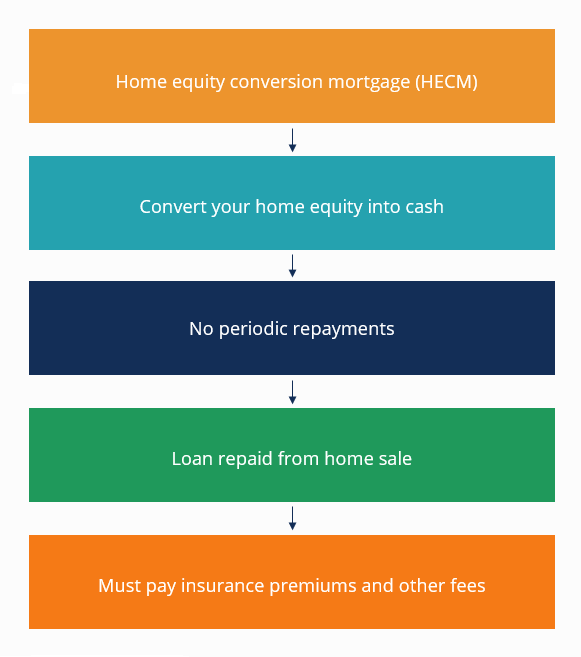
There are a few key ways to convert home equity, each with its own flavor. First up, the reverse mortgage – it's like the cool uncle of retirement tools. You don't make payments; instead, the lender gives you money based on your home's value, and it's repaid when you move or pass on. For retirees, this can provide monthly checks or a lump sum, perfect for covering healthcare or hobbies.
Another option is a home equity loan, which is more straightforward – you borrow a fixed amount at a fixed interest rate and pay it back over time. It's ideal if you need a one-time boost, say for home improvements that make aging easier. Then there's the HELOC, or home equity line of credit, which feels like a credit card tied to your home. You draw as needed, up to a limit, and only pay interest on what you use. It's flexible, almost like having a rainy-day fund built into your walls.
To make this clearer, here's a quick comparison table of these options, tailored for retirees:
Subscription service budgeting hacks| Option | How It Works | Best For | Potential Drawbacks |
|---|---|---|---|
| Reverse Mortgage | Receive payments or lump sum; no monthly payments required until you leave the home. | Those wanting steady income without selling. | Can reduce inheritance for heirs. |
| Home Equity Loan | Borrow a lump sum and repay with interest over a set period. | One-time expenses like renovations. | Requires monthly payments, which might strain fixed incomes. |
| HELOC | Flexible line of credit you draw from as needed. | Variable needs, like ongoing medical costs. | Interest rates can fluctuate, adding uncertainty. |
Of course, not all options fit every retiree. Factors like your health, family situation, and local housing market play a role. It's like picking the right fishing rod – what works for one person might tangle for another.
The Pros, Cons, and Real-Life Nuances
Let's get into the nitty-gritty without overwhelming you. On the plus side, converting home equity can boost your cash flow, allowing for that dream cruise or helping with rising costs. It's a smart move in an era where longevity means retirement might span 20 or 30 years. But, and there's always a but, these options aren't free lunches. Fees, interest, and the risk of owing more than your home's worth can sneak up if property values dip.
From a cultural angle, think about how memes on social media poke fun at retirees downsizing – but with these tools, you don't have to. It's empowering, giving you control over your narrative. I once heard a story about a couple in Florida who used a reverse mortgage to start a community garden, turning their equity into shared joy. That's the emotional layer – it's not just economics; it's about living fully.
For those deep in retirement planning, consider how these options interact with taxes or government benefits. A reverse mortgage, for instance, isn't taxable income, which is a win for your wallet. Always chat with a financial advisor first; it's like having a co-pilot for your golden years journey.
Cryptocurrency risks for older investorsWrapping Up with a Thoughtful Nudge
As we ease out of this chat, picture yourself a few years from now, with these options in your toolkit, enjoying the fruits of your labor without the worry. What if tapping into your home's equity could mean more freedom than you imagined? It's worth exploring, not as a last resort, but as a proactive step in your retirement story. After all, in the economy for retirees, your home isn't just a place – it's your ally.
FAQ
What is a reverse mortgage, and is it right for me? A reverse mortgage lets homeowners 62+ convert part of their home equity into cash without selling or moving. It's ideal if you have significant equity and want to stay in your home, but ensure you can afford upkeep and taxes.
How does home equity conversion affect my estate? It can reduce what you leave to heirs since the loan must be repaid upon your death or sale. However, if planned well, it might still allow for a legacy while funding your needs now.
Are there alternatives to these options? Yes, like downsizing or renting out a room, but they might not offer the same liquidity. Always weigh pros and cons with a professional to fit your unique situation.
Family financial support dynamicsSi quieres conocer otros artículos parecidos a Home equity conversion options puedes visitar la categoría Retirees.
Entradas Relacionadas