
Measuring Success in Budgeting Efforts
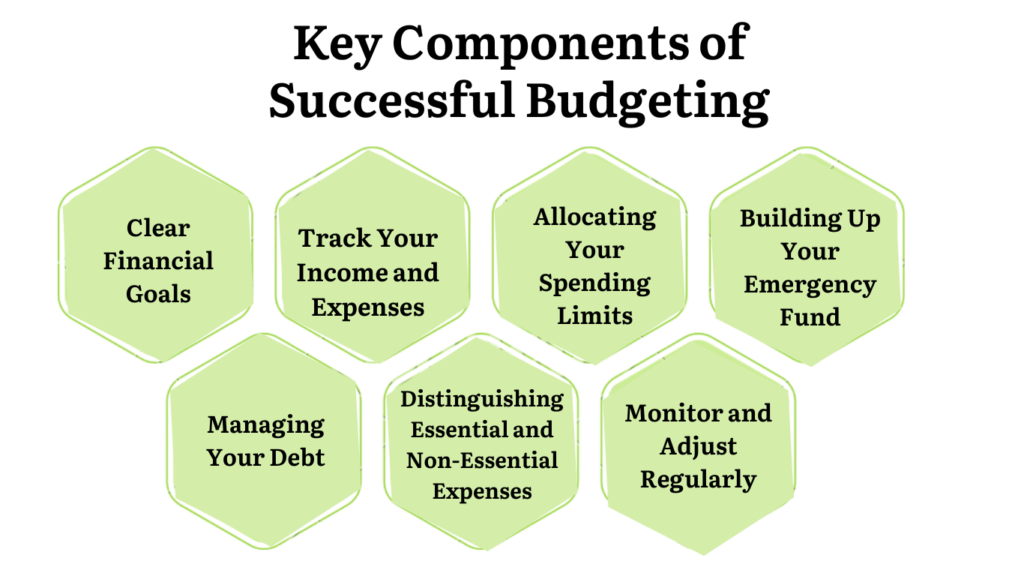
Ever tried balancing your budget only to feel like you're juggling flaming torches at a circus? Yeah, me too—that's how I kicked off my own journey with personal finance a few years back. Picture this: I was that guy who thought success meant just not going into the red at month's end. But oh boy, was I wrong. Measuring success in budgeting efforts isn't about scraping by; it's about building a life where your money works for you, not against you. Let's chat about this in a laid-back way, like we're grabbing coffee and sharing tips on making those dollars stretch further.
In a world buzzing with apps and advice, figuring out if your budgeting game is strong can feel overwhelming, but it doesn't have to. Measuring success in budgeting efforts boils down to setting clear markers that show you're not just surviving, but thriving financially. Think of it as checking the pulse of your wallet—regularly and with a bit of heart. For instance, I once set a goal to save for a spontaneous road trip, and tracking my progress turned what could've been a chore into a mini-adventure. Right in the middle of it, I realized success wasn't just numbers; it was that warm fuzzy feeling of control.
Why Defining Success Feels Like Unlocking a Secret Level
Okay, let's get real—everyone's idea of budgeting success is as unique as their favorite playlist. For some, it's paying off debt; for others, like me, it's having enough to splurge on concert tickets without the guilt. But here's the key: you need to define what budgeting success means to you first. Start by asking yourself what financial peace looks like. Is it a fully funded emergency fund or maybe just cutting down on those impulse coffee runs? I remember scrolling through TikTok and seeing those "rich auntie" memes, where folks humorously boast about their savings hacks. It's a lighthearted nod to how everyday culture influences our money mindset, reminding us that success is personal and often shared in fun ways online.
To make this concrete, consider metrics like your savings rate or expense-to-income ratio. These aren't just fancy terms; they're your budgeting besties. For example, if you're aiming to save 20% of your income, tracking whether you hit that each month is like giving yourself a high-five. And hey, if you miss it, that's okay—life's messy, and budgets should be flexible enough to handle that.
Effective Budgeting Strategies for BeginnersKey Metrics That Turn Budgeting into a Victory Lap
Diving deeper, let's talk about the tools in your arsenal for measuring success in personal finance. One standout is net worth tracking—simply subtract your debts from your assets. I started doing this quarterly, and it was eye-opening; seeing my net worth creep up felt like leveling up in a video game. Another is monitoring your spending categories. Use apps like Mint or even a simple spreadsheet to categorize expenses. If dining out is eating up your budget (pun intended), that's a clear signal to adjust.
Here's a quick table to compare common metrics, because who doesn't love a visual aid?
| Metric | What It Measures | Why It Matters |
|---|---|---|
| Savings Rate | Percentage of income saved monthly | Shows if you're building wealth over time |
| Debt-to-Income Ratio | Total debt divided by annual income | Indicates financial stability and lending risk |
| Emergency Fund Coverage | How many months of expenses you can cover | Prevents panic in tough times, like job loss |
As you can see, these aren't rigid rules; they're guides to help you feel more in control. Mix in some behavioral tracking too—what emotions trigger spending? For me, it was stress from work, leading to retail therapy. Recognizing that made all the difference.
Real-Life Hacks and That "Aha" Moment
Now, let's sprinkle in a bit of storytelling. Take my buddy Alex, who's a total budget newbie. He started by jotting down every purchase in a notebook, which sounded old-school but worked wonders. Within six months, he not only paid off his credit card debt but also saved for a new bike. His secret? Celebrating small wins, like treating himself to a movie night when he stayed under budget. It's these kinds of anecdotes that show success in saving money is about sustainable habits, not overnight miracles. And if you're into pop culture, think of it like Marie Kondo's tidying—keep what sparks joy, ditch the rest.
Top Tips to Save Money Every MonthResponding directly to the heart of the matter: Measuring success in budgeting efforts means regularly checking if you're hitting goals like reducing unnecessary expenses or growing your savings, which can lead to a more secure financial future. By using simple tools and reflecting on your progress, you'll notice tangible improvements, such as less stress and more freedom—about 45 words of straightforward advice to get you started.
Common Pitfalls and How to Dodge Them with Ease
Alright, let's not sugarcoat it—budgeting has its traps. One biggie is ignoring inflation or unexpected costs, like that car repair that pops up out of nowhere. To counter this, build in a buffer zone in your budget. Another? Over-relying on tech without personal insight. Apps are great, but they can't replace your intuition. I once got too caught up in automated tracking and forgot to enjoy the process, turning it into a chore instead of a tool. Keep it light, folks; mix automation with manual checks to stay engaged.
Varying your approach keeps things fresh—some months, focus on income streams; others, on cutting costs. This diversity prevents burnout and makes tracking expenses feel less like a task and more like a game you're winning.
Wrapping Up with a Thoughtful Nudge
As we ease out of this chat, imagine peering into your financial mirror and seeing a version of you that's not just okay, but genuinely excited about money matters. What if you challenged yourself to tweak one budgeting habit this week? It's that simple shift that could redefine your path to savings success. No grand finales here, just a relaxed invite to keep the conversation going in your own life.
Step-by-Step Guide to Creating a Personal BudgetFAQ
How often should I review my budget? Aim for monthly check-ins to catch trends early, but quarterly deep dives help adjust for bigger changes like raises or expenses.
What's a good starting point for beginners? Begin with tracking all expenses for a week to understand your habits, then set one achievable goal, like saving $50 extra that month.
Can budgeting really lead to happiness? Absolutely, as it reduces financial stress and gives you the freedom to pursue what matters, turning money into a tool for joy rather than a source of worry.
Common Mistakes in Money Management and How to Avoid ThemSi quieres conocer otros artículos parecidos a Measuring Success in Budgeting Efforts puedes visitar la categoría Saving.
Entradas Relacionadas