
Retirement budgeting essentials for seniors
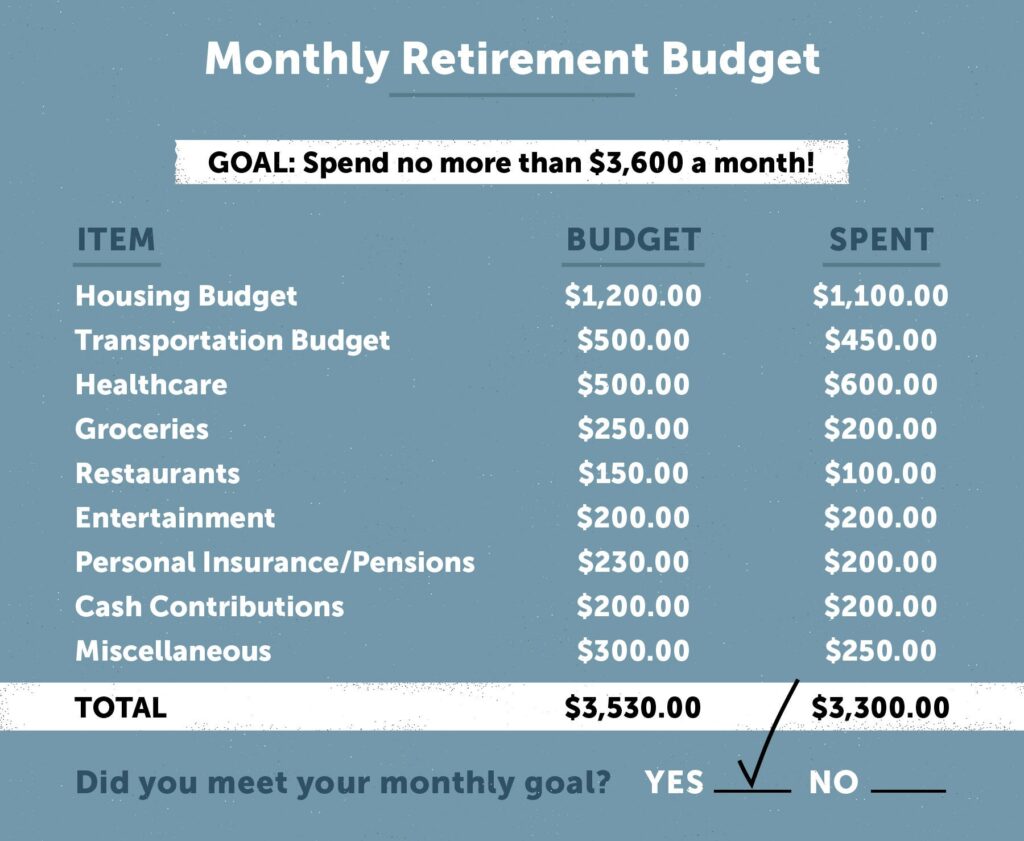
As I sit here with my coffee, watching the sun rise a little slower these days, I can't help but think about my neighbor, Mr. Jenkins. He's been retired for five years now, and boy, does he have stories about turning his nest egg into a reliable buddy for everyday life. It's not always smooth sailing, but with the right retirement budgeting tweaks, he's turned potential worries into peaceful evenings. Today, we're diving into the essentials of retirement budgeting for seniors, because let's face it, who wouldn't want to enjoy those golden years without the financial jitters?
Retirement budgeting essentials boil down to creating a plan that lets you savor life without sweating the small stuff. If you're a senior wondering how to make your savings stretch just right, start by picturing your income sources as the foundation of a cozy home. You'll need to account for pensions, Social Security, investments, and maybe even a part-time gig if that's your vibe. A solid budget ensures these pieces fit together, turning what could be a stressful puzzle into a walk in the park. In essence, effective retirement budgeting means aligning your expenses with your inflow, so you can focus on hobbies, family, and that book you've always meant to read—without the panic of overspending.
Getting a Grip on Your Income Streams
Alright, let's ease into this. First off, knowing exactly what money is coming in is like mapping out a familiar hiking trail—you won't get lost. For many seniors, this includes Social Security checks, pension payouts, and withdrawals from retirement accounts like 401(k)s or IRAs. My aunt, for instance, was surprised to learn her investment dividends could fluctuate, but once she tracked them monthly, it was like unlocking a secret garden of financial peace.
Don't overlook the little things, either. Maybe you've got rental income from that vacation home or even royalties from a book you wrote years ago. The key is to list it all out in a simple spreadsheet or app. And here's a fun fact from the cultural side: remember how memes about "boomer wealth" circulate on social media? Well, it's often rooted in these very income streams, showing how folks from that era built nests that keep giving. By understanding and monitoring these, you're not just budgeting; you're crafting a narrative of security for yourself.
Best investment options for retirees explainedCrafting a Budget That Feels Like a Gentle Breeze
Now, building your budget doesn't have to be as rigid as a boot camp drill—keep it relaxed, like chatting over tea. Start by categorizing your expenses: essentials like housing, utilities, and groceries come first, followed by fun stuff like travel or dining out. A good rule of thumb is the 50/30/20 guideline, but tweak it for your life—maybe 60/20/20 if healthcare takes a bigger slice.
One creative metaphor I've always liked is treating your budget like a garden: plant the necessities as your core flowers, water them with regular checks, and prune the weeds of unnecessary spending. For example, if you're spending too much on subscriptions you barely use, it's time to snip those away. Tools like Mint or YNAB (You Need A Budget) can make this effortless, almost like having a financial sidekick. And speaking of cultural nods, think about how Netflix binges became a retiree staple during the pandemic—budgeting for entertainment keeps that joy alive without breaking the bank.
| Income Source | Average Monthly Amount | Budget Allocation Tips |
|---|---|---|
| Social Security | $1,500 - $3,000 | Use as base for fixed expenses; adjust for inflation annually |
| Pension | Varies (e.g., $1,000) | Allocate to healthcare or leisure; watch for cost-of-living adjustments |
| Investments/Withdrawals | $500 - $2,000 | Reserve for emergencies or travel; reinvest growth where possible |
Steering Clear of Sneaky Financial Traps
Oh, the pitfalls— they've got a way of creeping up like uninvited guests at a family BBQ. Inflation is a big one; it erodes your purchasing power faster than you might think, so factor in 2-3% annual increases in your planning. Then there's healthcare; my friend Sarah didn't budget enough for meds and ended up stressed. Remember, Medicare doesn't cover everything, so padding that category is crucial.
Another trap? Emotional spending, like splurging on grandkids' gifts without a limit. It's heartwarming, but it adds up. To keep things light, try this: set aside a "fun fund" each month. It's like giving yourself permission to enjoy life, but with boundaries. And for a digital twist, apps like Goodbudget use envelope systems that make tracking feel like a game, drawing from old-school methods but with modern flair.
Common financial pitfalls in retirementHandy Tools and Tips to Keep It Simple
When it comes to tools, go for what's intuitive— no need for rocket science here. Apps like Excel or even pen and paper can work wonders if you're not tech-savvy. But if you are, tools like Personal Capital offer free insights into your investments, helping you visualize where every dollar goes.
Here's a quick step-by-step if you're starting fresh:
1Gather your income statements and bills for the last three months.
2Categorize expenses into needs, wants, and savings.
IRA versus 401k comparison guide3Adjust as needed, perhaps consulting a financial advisor for personalized advice.
This approach keeps it straightforward, like plotting a lazy river float rather than a whitewater rafting trip.
Wrapping Up with a Thoughtful Nudge
As we wind down, imagine flipping through an old photo album of your life's adventures— that's what a well-tended budget can preserve. So, what's your next move to make retirement feel even more liberating? Whether it's tweaking that expense list or just enjoying the view, you've got this.
FAQ: Quick Answers for Peace of Mind
How much should I save for emergencies in retirement? Aim for 6-12 months of living expenses in a liquid account; it acts as a buffer for unexpected costs like home repairs.
Affordable lifestyle ideas post-retirementIs it too late to start budgeting if I'm already retired? Absolutely not—many seniors refine their budgets yearly, turning it into a seasonal ritual that keeps finances fresh and adaptable.
What if inflation spikes unexpectedly? Build in flexibility by reviewing your budget quarterly and considering inflation-protected investments like TIPS bonds.
Si quieres conocer otros artículos parecidos a Retirement budgeting essentials for seniors puedes visitar la categoría Retirees.
Entradas Relacionadas